So how does Rigdon cultivate this comfort and trust? The company maintains strong relationships with numerous banks across Indiana, allowing them to connect clients with financial partners that best suit their budgets and needs. If a client is uncertain about property design, functionality, or cost, Rigdon also collaborates with a wide network of architects who specialize in a variety of design approaches, ensuring each project is positioned for commercial success. Rigdon understands that clients want to remain actively involved in their projects; therefore, the company strives to act as a partner and advisor rather than a directive authority. Rigdon takes pride in being authentic, transparent, and client-focused—an approach reflected in the fact that 95% of their projects come from repeat customers. For Rigdon, the client is always at the forefront of every project.
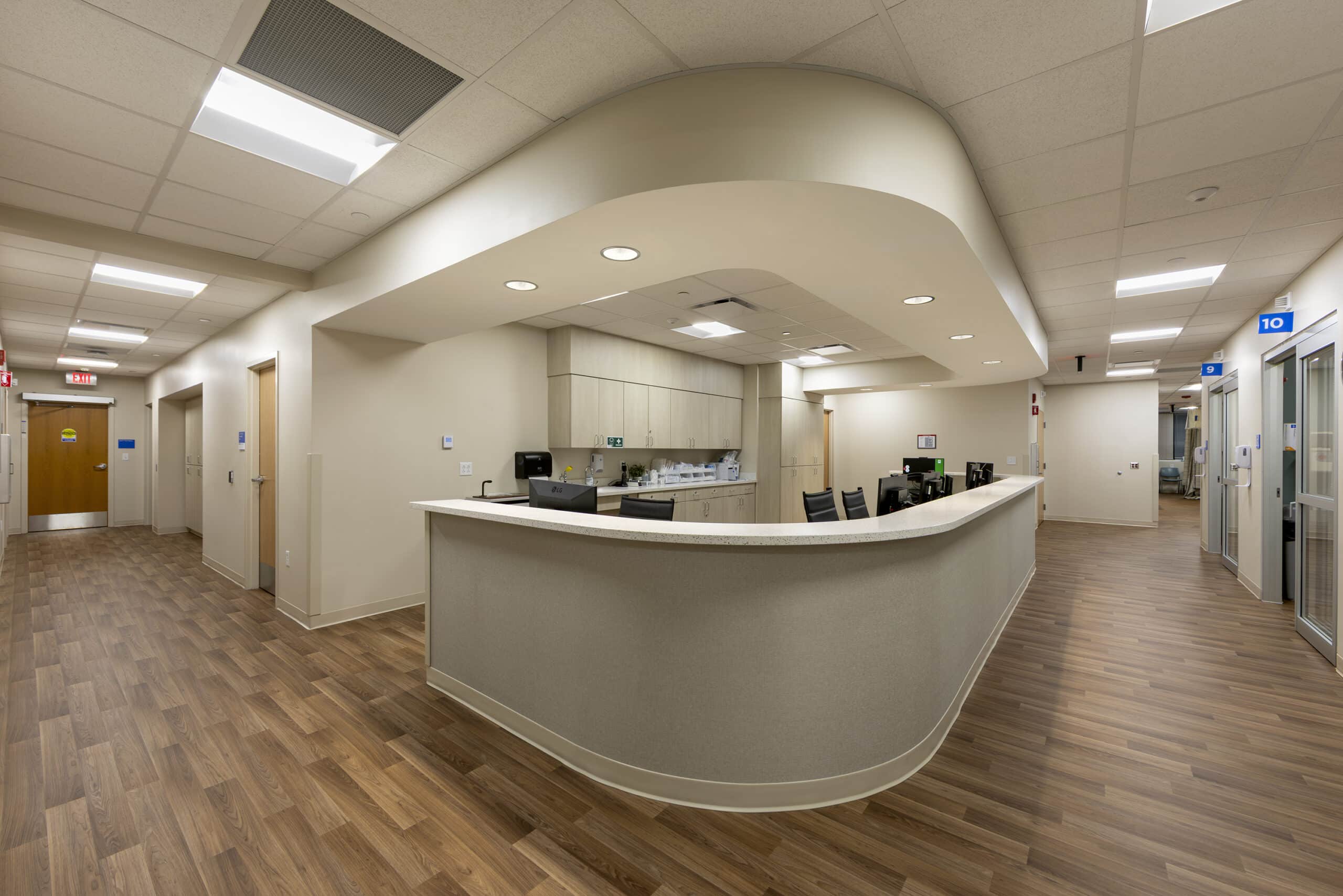
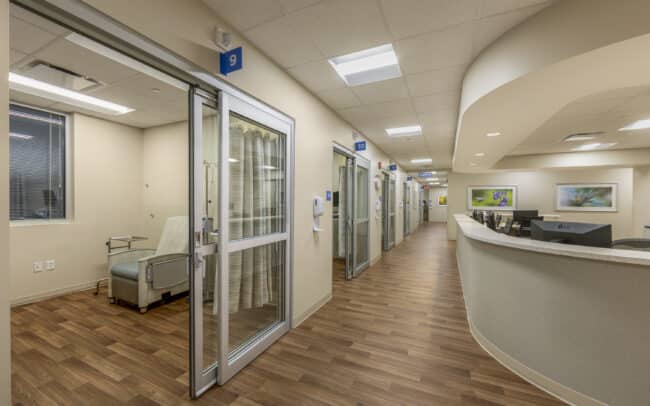
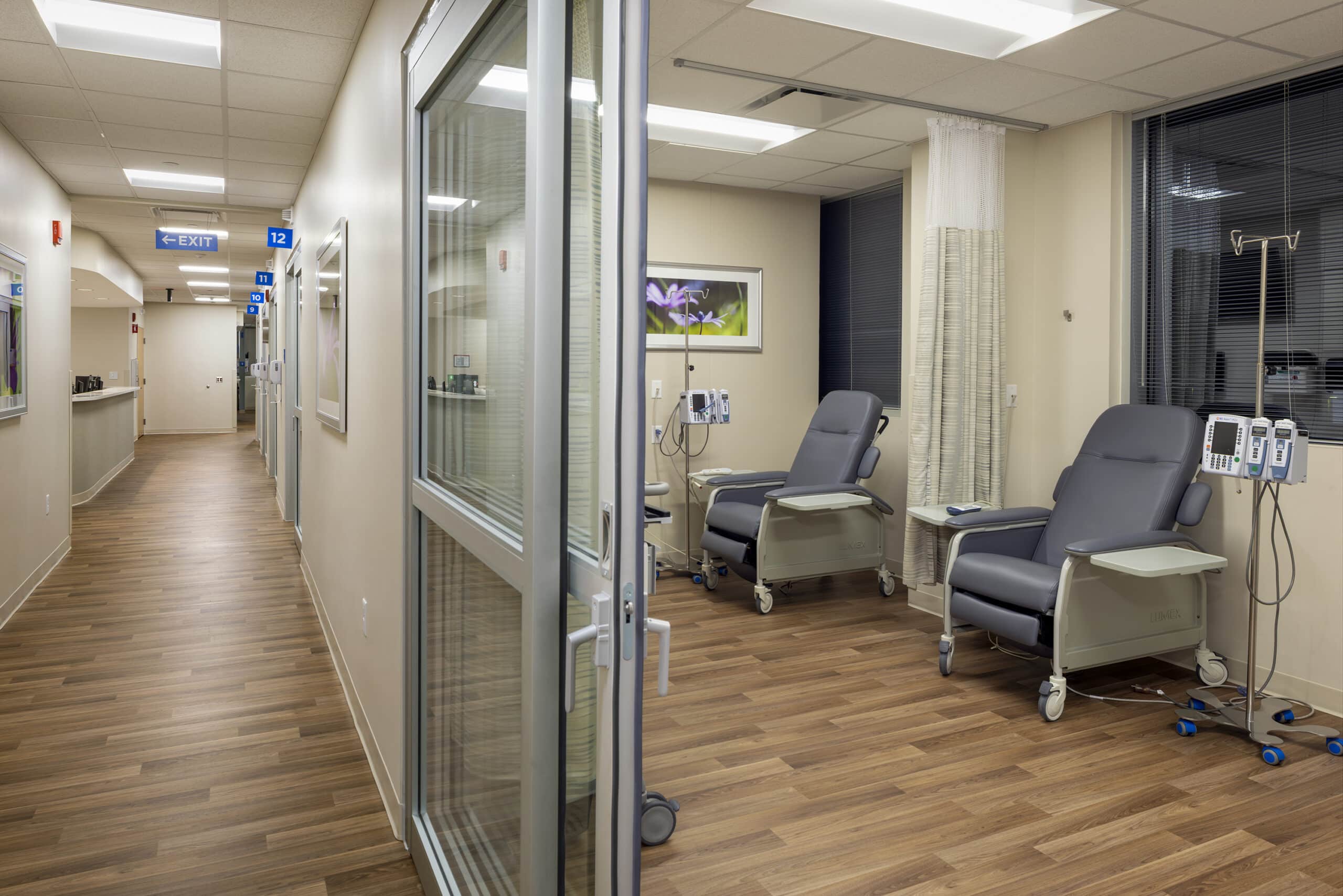
At Studio Thirteen, every architectural project presents unique challenges. For this shoot, the primary challenge was that the space was already occupied. Medical staff and patients typically begin arriving as early as 7:00 a.m. and remain throughout the day. To accommodate this, our team arrived at 5:00 a.m., giving us a two-hour head start to avoid peak activity. Through strong time management and teamwork, we were able to efficiently capture the space and obtain all necessary images without issue.